Agile Strategy: Onward and Upward

Agile Strategy: Onward and Upward
Abstract

This talk describes the application of Agile principles to strategic planning. It explores how applying balanced Agile values — such as prioritizing individuals and interactions, delivering tangible results, fostering customer collaboration, and embracing change — can enhance the effectiveness of strategic planning processes without becoming merely reactive. By integrating Agile techniques, organizations can make their strategic planning more adaptive and responsive to evolving environments in the moment and in the long term.

About the Presenter 

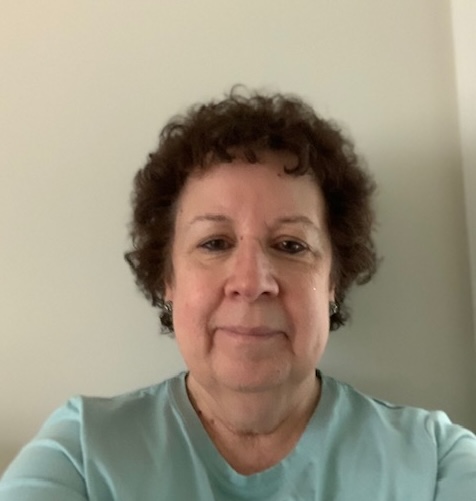
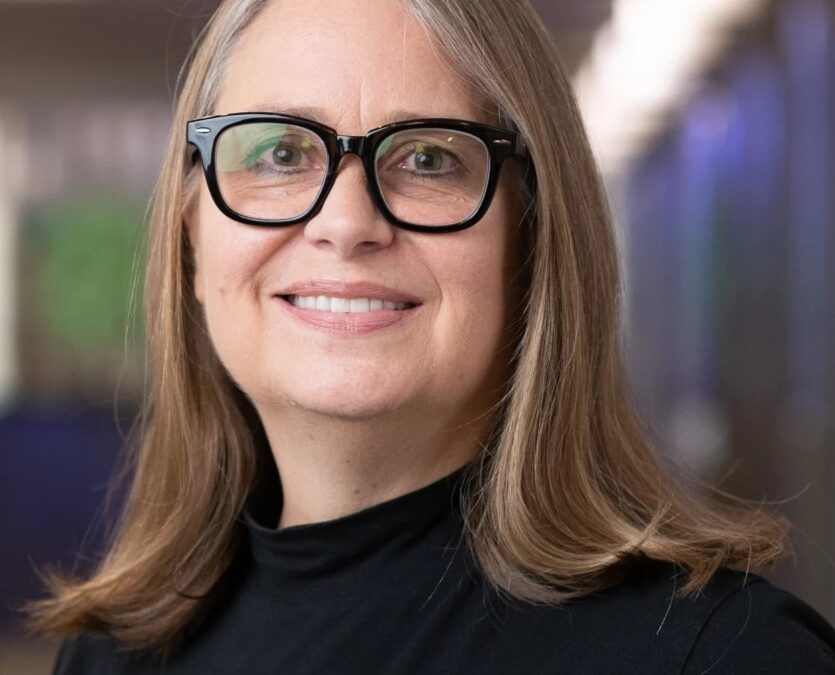
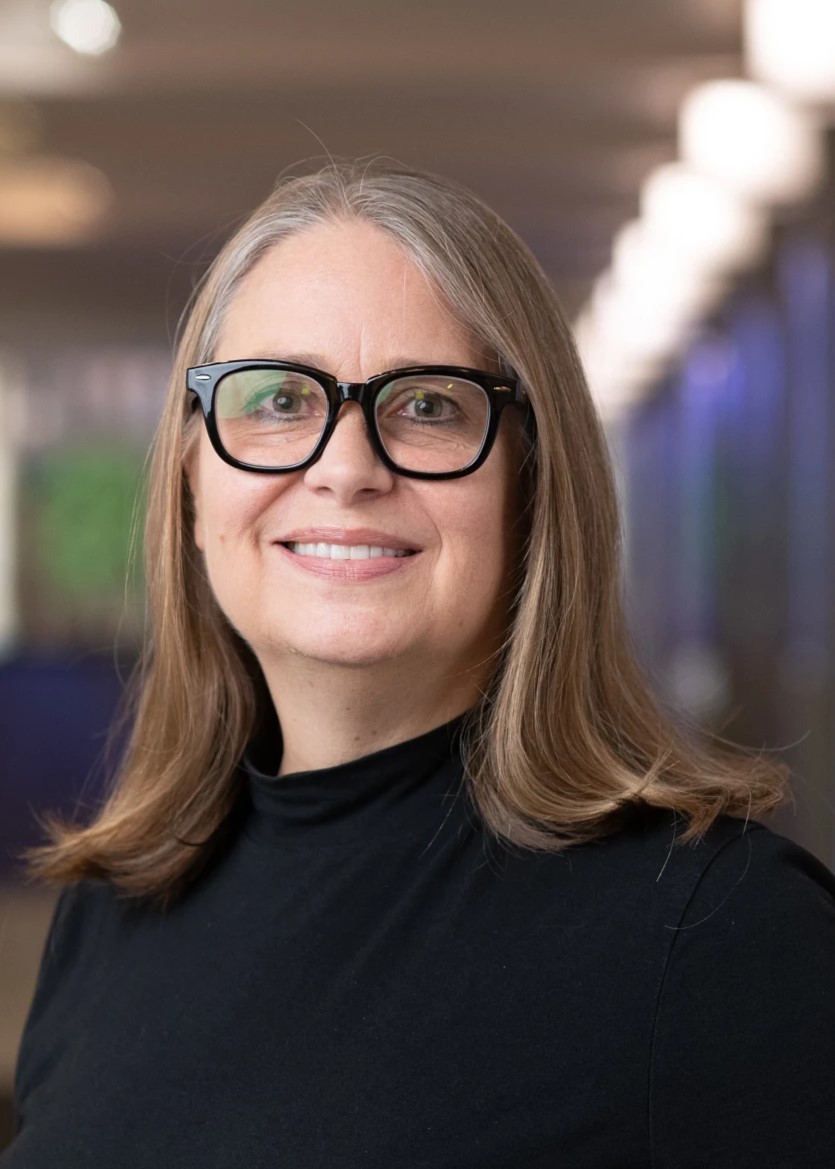
Linda Parker Gates is a senior engineer at the Software Engineering Institute (SEI), Carnegie Mellon University, where she leads the Software Acquisition Pathways Initiative. She specializes in strategic planning, change management, technology transition, and performance excellence, supporting numerous government organizations in developing and adopting improvement strategies. Ms. Gates is the principal investigator for the SEI’s Artificial Intelligence Robustness (AIR) research and transition project.

Ms. Gates is the author of the multi-part SEI blog series on Agile strategic planning, as well as the SEI technical report Strategic Planning with Critical Success Factors and Future Scenarios: An Integrated Strategic Planning Framework. She has also hosted numerous podcasts and webinars on strategy and acquisition topics. She serves on the board of directors for the International Association for Strategy Professionals (IASP), where she led the Government Community of Practice from 2019-21. She chaired the IASP Global Conference in 2022-24 and served as a judge for the Goodman Award for Excellence in Strategy. In 2024, she was awarded the IASP’s Janice Laureen Award for Outstanding Service. She has served as a senior examiner for the Malcolm Baldrige National Quality Award.

Ms. Gates holds a bachelor of arts degree from Denison University, where she served as an at-large member of the Alumni Council from 2021 to 2024, and also holds a Master of Architecture degree from Carnegie Mellon University.


From Code to Combat: Real-World Case Studies Reveal How Agile Organizations Win in Complex, Evolving Conflicts

From Code to Combat: Real-World Case Studies Reveal How Agile Organizations Win in Complex, Evolving Conflicts

The August 2025 Tech Talk was presented by Matthew Jacobs and Nicole Marroquin

Abstract

This talk will analyze the critical gap between the intent and impact of Agile practices in defense and high-stakes environments. Drawing on real-world case studies, we’ll explain why many organizations struggle to realize the promised benefits of Agile. We’ll target agility at the organizational and program levels, and offer a clear path for making Agile work in practice, not just in theory. Whether you’re a leader or a practitioner, you’ll leave with practical ideas to drive real change, not just check boxes.

About the Presenters

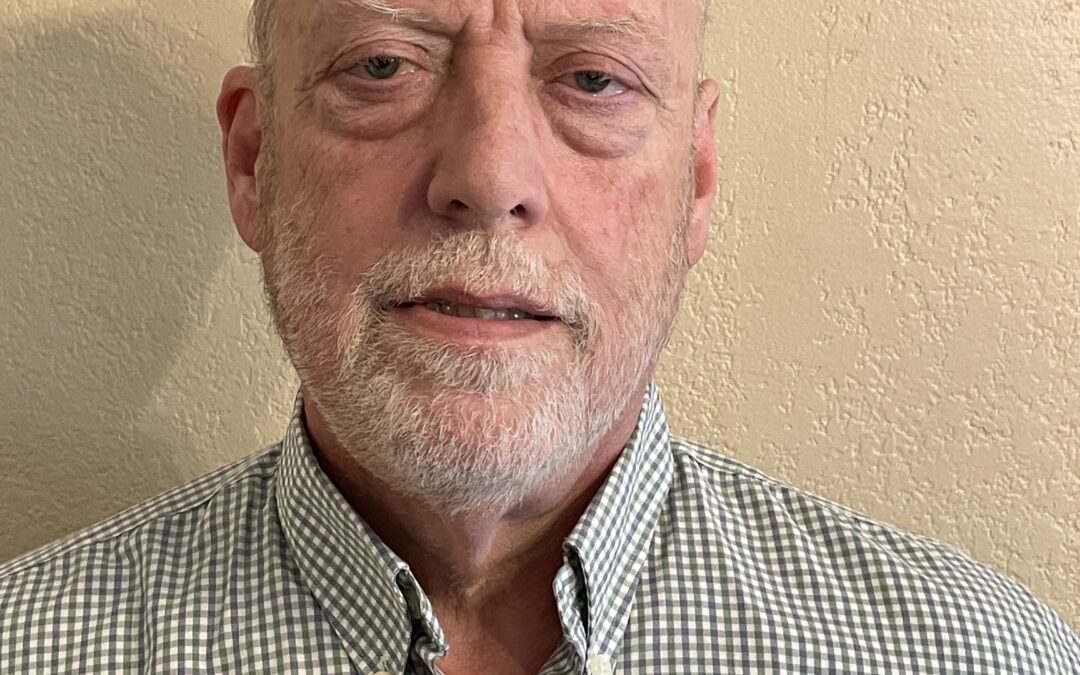
Matthew Jacobs is the Chief Product Owner of Scrum Inc’s consulting business and has been leading Scrum Inc’s engagements across the British Ministry of Defence from the original pilot teams in Navy’s Stratpol area. Matt has led the development of Scrum Inc.’s transformation approach. His Agile Delivery and expertise includes years of running large-scale transformations and Ways of Working strategic projects across various domains from technology to automotive. He has worked as an Executing Partner and a Strategy Consultant supporting divestiture separation and post-merger integration. He provides insight, expertise, and thought partnership to senior U.S. and U.K. military leaders to support them in achieving their strategic outcomes.

Nicole Marroquin is a retired United States Marine and an Agile Transformation Consultant at Scrum Inc., where she leads complex transformation engagements across defense, government, and commercial sectors. She has served in key delivery roles across international and U.S.-based initiatives, including multi-team launches, strategic leadership workshops, and organizational operating model redesigns. Nicole is a Registered Scrum Trainer and curriculum developer. She regularly delivers high-impact trainings across a variety of domains.  She has an active role in strategic Agile forums and defense-focused innovation networks. Nicole works closely with product and executive teams to ensure Agile delivery is aligned to strategic outcomes.

What if you could see it coming? Using CMMI to Predict and Prevent Quality Failures in Medical Devices

What if you could see it coming? Using CMMI to Predict and Prevent Quality Failures in Medical Devices

Abstract

In the medical device industry, quality failures carry serious consequences—product recalls, regulatory penalties, and risks to patient safety. But what if organizations could detect the warning signs early?

This talk explores how Capability Maturity Model Integration (CMMI), a framework familiar to the SEA community, can be used not just for process improvement, but also as a preventive system for identifying and addressing quality risks before they lead to non-compliance.

By aligning CMMI practices with FDA and ISO requirements, medical device companies can build more resilient quality management systems—reducing variability, improving traceability, and surfacing issues earlier in the lifecycle. The result: safer products, stronger compliance, and fewer surprises.

Whether you’re working in medtech or applying these principles elsewhere, this session offers a compelling look at how capability enables foresight—and how foresight protects lives.

About the Presenter 

As President of Performance and Methods (P&M) Consulting, LLC, Lynn Penn consults with organizations, focusing on enhancement, institutionalization, and optimization of business operations.

As a Director at Lockheed Martin Corporation, Information Systems & Global Solutions (IS&GS), Lynn oversaw policies and process command media, process compliance via audits, and process improvement activities. She developed and managed compliance to multiple process methodologies including CMMI DEV, CMMI SVC, RMM, Lean Six Sigma, Agile, ISO 9001/AS9100, ISO 20000 and ISO 27001. 

Capability Maturity Model (CMM) involvement began with SW CMM and progressed to the current CMMI version 3.0. She has participated in multiple formal SPAs, CBA IPIs, Assessments using the Acquisition Model, Risk Evaluations and supported multiple Software Capability Evaluations per versions 1, 2, and 3. She has supported multiple assessments using People CMM, RMM, previous versions of CMMI DEV, CMMI SVC, DMM and current CMMI V3.0. She was a member of the CMMI V2.0 Core Team and continues to lead CMMI reviews and pilots. She is currently a Lead Appraiser with the Medical Device Discovery Appraisal Program.

Lynn has a BS in Mathematics from Villanova University, she has done graduate studies in Computer Science and Management Information Systems.  She is a certified ISO 9000 internal auditor at Lockheed Martin. She is also a Certified Greenbelt and Blackbelt in Six Sigma and Lean Techniques.

 She has published the book CMMI and Six Sigma: Partners in Process Improvement.

Engineering of Complex Systems at NAVAIR: We Must Do More With Less!

Engineering of Complex Systems at NAVAIR: We Must Do More With Less!

The June 2025 tech talk was presented by Jeff Schwalb

Abstract

At NAVAIR, we are experiencing a dwindling engineering workforce at the same time that we are trying to meet increasing demands for support to our warfighters.

We have a combination of efforts uplifting the skill sets of multiple levels of the scientist and engineer (S&E) community throughout NAVAIR. These include newly-hired S&Es, young journeymen S&Es working across multiple product and program teams (IPTs, TPOs, PMAs) and now senior Systems Engineering (SE) technical leads and CHief ENGineers (CHENGS).

This approach includes training S&Es in the traditional areas of knowledge, skills, and abilities. What we are doing distinctly different is adding to this instruction actual project experiences that can be applied directly and immediately to their current day-jobs!

This exceptional teaching is performed as a team effort from expert contract-support personnel along with organic NAVAIR SE tech leads who work together effectively to fill the expanding engineering wisdom gap at NAVAIR.

About the Presenter 

Jeff Schwalb is a computer scientist and has been supporting Naval Air Systems Command (NAVAIR) since 1984. He has over 20 years of experience developing and acquiring real-time embedded software systems for avionics, weapons, and range instrumentation systems. He also began collaborating with the Software Engineering Institute (SEI), learning and applying CMM key practices, becoming a certified Personal Software Process℠ (PSP℠) instructor and then a certified Team Software Process℠ (TSP℠) coach. Over the last 25 years, he has taught and consulted with hundreds of scientists and engineers in various forms of personal engineering processes, and has coached dozens of projects in the launch and operations of team project planning and tracking.

In 2017, Jeff connected with the SEI on the establishment of the organization we know today as the Software Excellence Alliance (SEA). Today, Jeff continues to work within the SEA to identify and establish pragmatic, value-added solutions to problems currently affecting the software community. He is currently serving as a member of the SEA Executive Team and as a supporting member of SEA working groups in areas such as membership, Agile community networking, and knowledge transfer.

Victims vs. Victors: Navigating Career Uncertainty with Resilience

Victims vs. Victors: Navigating Career Uncertainty with Resilience

The May 2025 tech talk was presented by David VanEpps

Abstract

Setbacks are inevitable. Travel freezes, budget cuts, hiring slowdowns, layoffs — challenges like these can shake our sense of stability. While we can’t always control what happens, we can control how we respond.

In this session, we’ll explore how to shift from victim mentality to victor mindset by developing emotional intelligence, navigating change with resilience, and leading with empathy. We’ll also dive into practical strategies to future-proof your career, ensuring that while job security may be uncertain, employment security is always within reach.

You’ll walk away with a fresh perspective on career growth and tangible steps to build a more stable, empowered, and opportunity-rich future — no matter what comes your way.

About the Presenter 

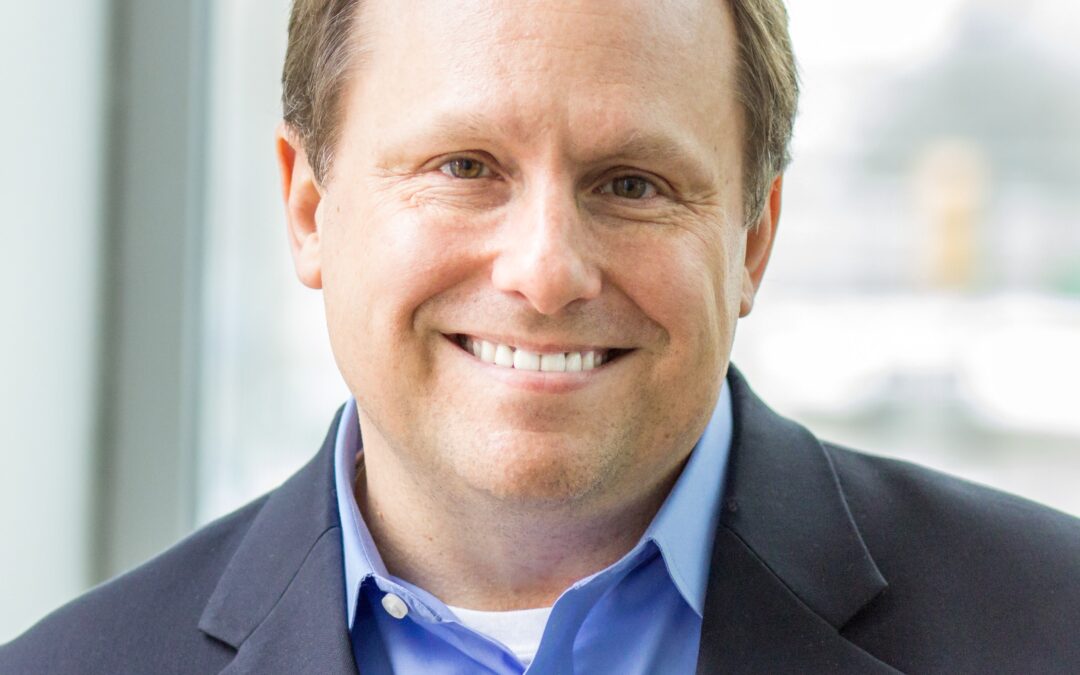
Impact and amplification: these are the tenets that inspire David VanEpps in his work as Chief Operating Officer at Exceptional Difference. Through his work, he seeks to ignite technical teams to deliver breakthrough results, grow high-performing organizations, and create cultures of excellence in which everyone thrives. 

David employs a motivational approach to leadership, seeking to bring out the best in those around him and enhance their ability to rapidly deliver value. As a proven leader, he strives to delight engineers, end users, and key stakeholders by bridging the business-technology gap and simplifying complex concepts into digestible components and actionable requirements. David’s belief in people allows him to develop enterprise strategies, roadmaps, and action plans designed for high-performing teams which are capable of delivering results that scale high-growth companies.   

David holds a Bachelor of Science in Computer Science and a Master of Science in Software Development and Management, both from the Rochester Institute of Technology. An avid runner and cyclist, he has completed 8 Ironman triathlons, 18 marathons, and 6 ultra-marathons. David has also published three books and conducts speaking engagements for leadership, athletic, and faith-based audiences. He and his wife reside in Harrison Township, Michigan. 

David encourages you to live a life of impact and make a positive difference in all that you do.

Applying STPA to Improve Safety and Reliability of AI-Enabled Systems

Applying STPA to Improve Safety and Reliability of AI-Enabled Systems

The April 2025 tech talk was presented by Timothy Davison

Abstract

This talk explores the application of System-Theoretic Process Analysis (STPA) to enhance the safety and reliability of AI-enabled systems. STPA provides a structured and scalable approach to identifying system-level hazards and analyzing risks in highly complex systems, such as those involving large language models (LLMs). By addressing unsafe interactions and potentially hazardous scenarios early in the development lifecycle, STPA enables the design of safer, more robust AI systems.

The effectiveness of this methodology was tested by implementing STPA on an open-source intelligence (OSINT) tool designed for military intelligence applications. The analysis identified a comprehensive set of unsafe control actions (UCAs) that could lead to critical failures. The UCAs were addressed with targeted safety interventions that enabled risk mitigation and improved system reliability, while also ensuring accurate, responsible handling of critical data. The approach described in this presentation extends beyond this use case, offering a roadmap for applying STPA to enhance safety and reliability in a wide range of AI-enabled systems.

About the Presenter 

Timothy Davison is a data scientist at the Software Engineering Institute (SEI), where he works on developing machine learning and data science solutions for cybersecurity challenges, as well as enhancing the safety and reliability of AI systems through methodologies like System-Theoretic Process Analysis (STPA).

At the SEI, Timothy contributes to projects involving computer vision, large language models, and safety analysis for AI systems in military and defense applications. His work blends technical innovation with a focus on system safety, ensuring advanced AI technologies are robust and secure.

Before joining the SEI, Timothy served seven years as an officer in the U.S. Army, where he gained valuable leadership and organizational skills and was among the first to work at the Army Artificial Intelligence Task Force as a data scientist.

Timothy holds a Bachelor of Science in Computer Science from the Virginia Military Institute (VMI) and a Master’s degree in Data Science from Carnegie Mellon University.