Design Thinking in Action: Building Organizational Agility with AI & Innovation

Design Thinking in Action: Building Organizational Agility with AI & Innovation
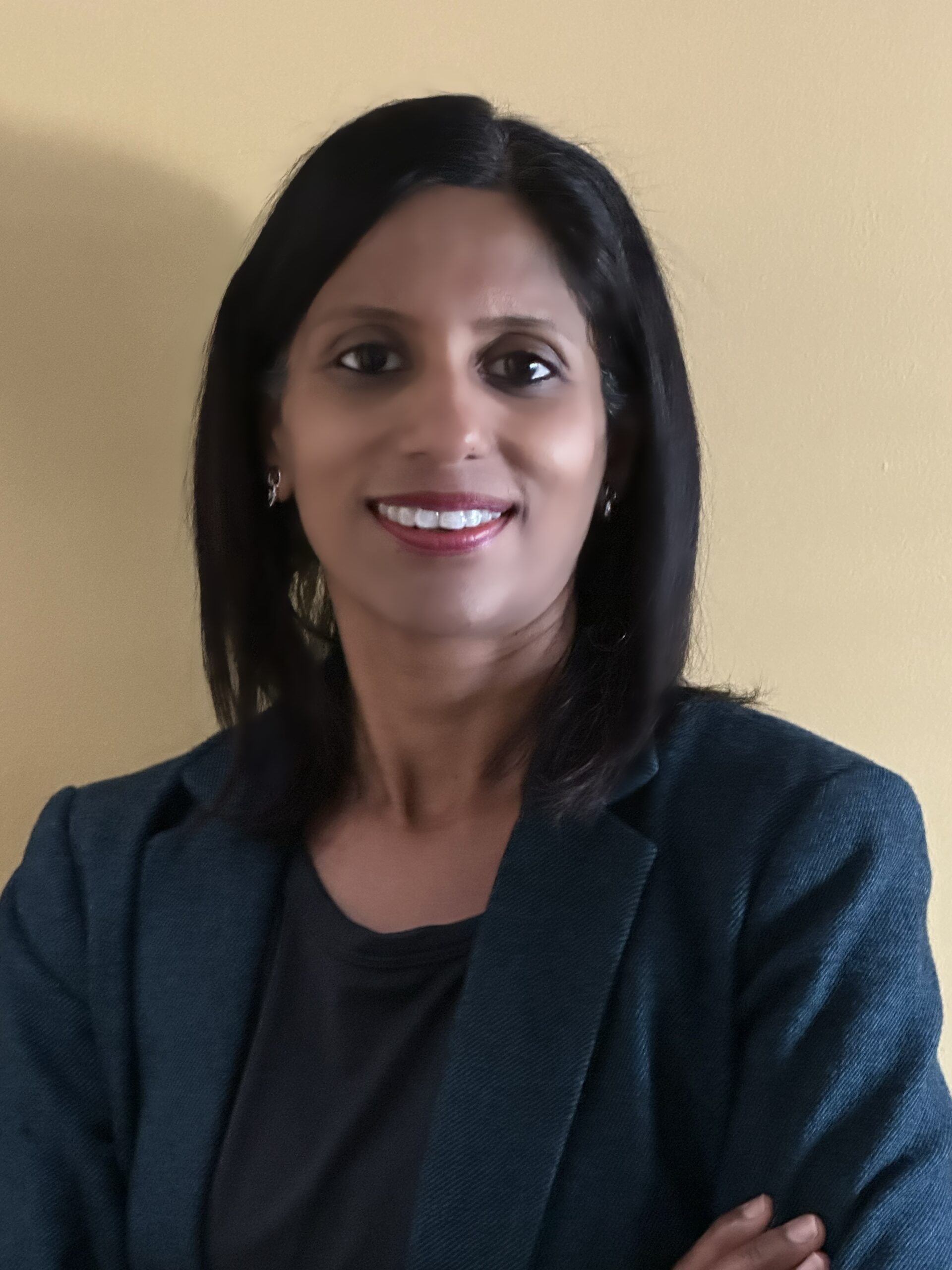
The March 2025 tech talk was presented by Vandana Rajagopal

Abstract

Is organizational success determined by strategy formulation or the ability to evolve that strategy? What barriers prevent teams from achieving true agility in product delivery? Can you envision an organization seamlessly incorporating AI across all facets, catalyzing innovation, and fostering adaptive excellence?  

You can unleash your organization’s potential with the transformative power of AI-driven agility. AI can harness real-time data analytics for rapid and informed decision-making, predictive algorithms can anticipate market dynamics, and adaptive frameworks can empower teams to pivot seamlessly in response to change.  

This session dives into real-world case studies, illustrating how organizations have leveraged AI to revolutionize their agility and innovation. Discover how predictive analytics drive smarter decisions, dynamic team structures amplify productivity, and intelligent systems remove bottlenecks to accelerate delivery cycles.

Key takeaways include actionable strategies to supercharge organizational agility. Learn how to implement AI-driven tools that enhance collaboration, optimize resource management, and foster a culture of continuous innovation. Join us for an interactive session: it is not just an exploration of possibilities, it is a blueprint for transforming your organization into an agile, responsive, and forward-thinking force in today’s constantly evolving business environment.

About the Presenter 

Vandana Rajagopal is a dynamic Enterprise Agile coach with expertise in leading transformation in businesses across a range of industries. With a robust background in healthcare and IT, she excels in implementing Agile methodologies and fostering product-centric approaches within healthcare, insurance, utilities, and software development sectors.

Leveraging her extensive experience, Vandana specializes in crafting and executing business strategies that drive innovation and efficiency. She empowers individuals and teams to adopt growth mindsets and become dynamic change agents, ensuring they deliver value-based outcomes through new ways of working. Her passion for skill development and self-discovery fuels her commitment to nurturing core capabilities in her clients.

As a committed community leader, Vandana heads the Columbus chapter of Women in Agile, where she champions knowledge-sharing and elevates emerging voices. Additionally, she is a certified yoga instructor, dedicated to building mindful and healthy communities for both adults and children.
Drive Improved Holistic Business Results with Lean/Agile Practices

Drive Improved Holistic Business Results with Lean/Agile Practices

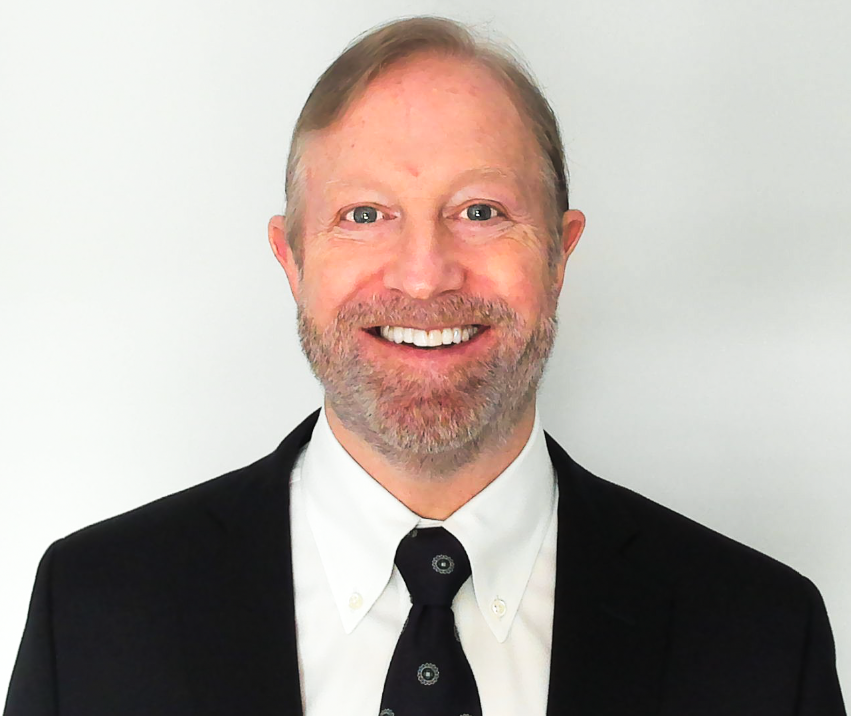
The February 2025 tech talk was presented by Fred Koos

Abstract

Agile practices have roots in Lean Thinking and the Toyota Production System. These are holistic approaches to improve business results. As the word “Agile” was coined in 2001, the applications were typically focused on small teams, not the whole business. The focus was also mostly on software development, which is only one function of a company. Approaches have progressed and we have great opportunities! Looking holistically for a company, Lean and Agile approaches have proven to be effective to optimize business results.

In this session, we will apply a model of delivering value on a cadence and the financial benefits for the business. We will apply aspects of Lean, Agile, Design Thinking, Value Stream Management, Hoshin Kanri, A3s, OKRs, and more.

References and tools will be provided for ongoing delivery of increased business value to benefit your performance and career.

About the Presenter 

Fred Koos has over 40 related credentials, including SAFe SPC (SAFe Practice Consultant), Certified Professional in Enterprise Agile Coaching, Certified Professional in Coaching Agile Transformations, PMI-ACP, PMP, Six Sigma Black Belt, Professional Engineer, and more. He has a Master of Science in Electrical Engineering (hardware and software) with Business Concentration. Fred also has an Advanced Certificate for Executives (ACE) in Management, Innovation, and Technology from MIT. Fred is a lifelong learner, teacher, consultant, engineer, and leader. He has trained 4000 people in Lean/Agile methods and 1200 in SAFe with Excellent reviews over 20+ years of Lean/Agile execution. He has presented to thousands at institutions including Carnegie Mellon University, Penn State University, University of Pittsburgh, Robert Morris University, Chatham University, CCAC, Delphi Automotive (Aptiv), PNC Bank, Dollar Bank, General Motors, UPMC, PMI, and more. He was the PMI Pittsburgh Chapter President, VP of Professional Development, and board member for 9 years. As Global Lean Champion in the auto industry, he drove a 300% improvement in holistic business results of 500 programs. Fred led a $1B revenue program to success. His key roles include Global Lean Champion, SVP Agile Coach, PMO Director driving agility, Lean Portfolio Director, Program Manager, Scrum Master, Architect, Engineer, and more. Fred’s focus and passion is on applying Lean and Agile concepts for higher levels of business results.

Clarify Your Acceptance Criteria with GIVEN-WHEN-THEN

Clarify Your Acceptance Criteria with GIVEN-WHEN-THEN

Abstract

Gherkin, also known as GIVEN-WHEN-THEN, is an effective method for writing Acceptance Criteria at many levels in software development. It treats the software as a black box, focusing on the inputs, triggers, and outputs.

In this talk, we’ll cover the basics of writing good GIVEN-WHEN-THEN Acceptance Criteria, give some advice on how to expand beyond your basic use case coverage, and spend some time working through examples.

About the Presenter 

Matt McConnell is an Agile Coach, Product and Program Manager. He got his start in IT as the cash register guy on the Jo-Ann Fabrics help desk. He’s worked with a number of retail and ecommerce companies before moving over to DoD and Government consulting. As a language geek, his superpower is helping to translate business needs into usable requirements, and translate technical opportunities and risks into something the business can understand. He lives just north of Pittsburgh.

A Powerfully Simple Planning Framework

A Powerfully Simple Planning Framework

The December 2024 tech talk was presented by Dr. Brad Hodgins

Abstract

Using this very effective five-step approach, teams and individuals can create a detailed plan that will enable them to track their progress as they execute that plan. Organizations run on schedules and commitments. Customers and managers need to know the status of your work. To accurately report your status, you need to have a measurable plan. This presentation will describe the steps taken in the planning framework of the Team Process Integration (TPI) methodology. These steps include conceptual design (breaking a problem down into smaller parts) and other best practices such as relative sizing and earned value. The execution of the steps will be illustrated with an example throughout the presentation, resulting in the creation of a plan that contains the tasks that need to be done and the planned pace of completion of those tasks.

About the Presenter 

Brad Hodgins is a computer scientist and has been supporting Naval Air Systems Command (NAVAIR) for over 40 years. He has over 20 years’ experience developing simulation and avionics software. He has spent the last 20 years as a project planning and tracking coach and as an instructor for the Performance Resource Team (PRT), actively coaching project teams in the development of high-quality products for on-time, on-budget delivery to the fleet.

Brad has developed expertise and a national reputation in process improvement. During his time with the PRT, Brad has given over two dozen presentations at symposiums and conferences, and has authored/ co-authored half a dozen published articles and papers, all sharing the great things NAVAIR has been doing.

In 2008, Brad was given a Navy patent for the Learning Applying Mastering Perfecting (LAMP) model for team process implementation evaluation and improvement. He was awarded the Michelson Laboratory Award in 2010, and he became a NAVAIR Associate Fellow in 2013. Brad earned a Doctorate in computer science from Colorado Technical University in 2018. He retired from government service in 2019, but continues to support NAVAIR as an employee of Saalex Solutions Inc.

Brad is a Taurus and likes surfing (just kidding about the surfing).

Empathy in AI: Improving Data Science with Kindness and Human Focus​

Empathy in AI: Improving Data Science with Kindness and Human Focus​

The November 2024 tech talk was presented by Zackary Downey

Abstract

In the age of AI and machine learning, technological progress often overshadows the importance of human empathy. However, building successful and ethical AI systems requires more than just advanced algorithms—it demands a deep understanding of human experience. In this talk, we’ll explore how empathy and kindness can enhance data science workflows, improve AI-driven outcomes, and foster collaboration across teams. By prioritizing human-centered design, we can create AI systems that not only drive innovation but also build trust, respect, and fairness. Join us as we discuss how leading with empathy can transform the future of AI development.

About the Presenter 

Zackary Downey is a Senior Manager of Data Science at CVS Health, where he leads a team of data scientists focused on transforming pharmacy benefits management technologies. His team builds predictive models and frameworks that optimize client behaviors and improve forecasting accuracy, helping drive business outcomes for the company’s underwriters and sales staff.

With almost a decade of experience in data science and analytics, Zack has a proven track record in predictive analytics, machine learning, and product development. Before joining CVS, he was the Director of Data Science at Ursa Space Systems, where he oversaw the development of satellite image processing tools, machine learning models, and brand new products from alternative data sources, driving innovation and new ways of using satellite imagery.

Zack holds a Master’s degree in Applied Statistics and Data Science from Cornell University, and his work has consistently focused on bridging the gap between highly technical teams and business stakeholders to deliver impactful, data-driven solutions. He’s passionate about mentoring teams, fostering collaboration, and using data to solve complex problems.

The A-10 Thunderbolt II​ Agile Software​ Development Story​

The A-10 Thunderbolt II​ Agile Software​ Development Story​

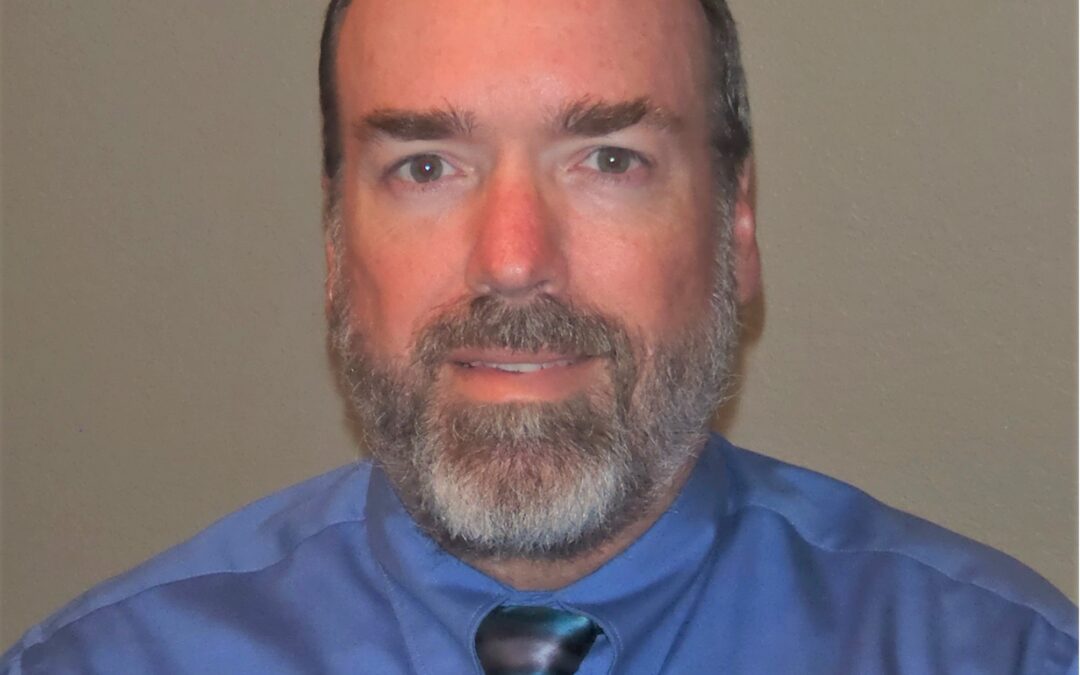
The October 2024 tech talk was presented by David R Webb

Abstract

In 2019, the A-10 Operational Flight Program team at Hill Air Force Base, Utah, made the transition from a strict waterfall development and release process to an agile approach based on the Scaled Agile Framework (SAFe®).  Five years later, the team has morphed its process to a hybrid of many approaches, keeping those practices that worked, while changing or abandoning those that did not. This has resulted in a reduction in turnaround time from idea to delivery – which began at more than four years – to only four months now. This presentation will introduce the A-10 OFP team, review what an OFP is, describe the current version of the Hill team’s processes, and discuss the lessons learned from this venture.

About the Presenter 

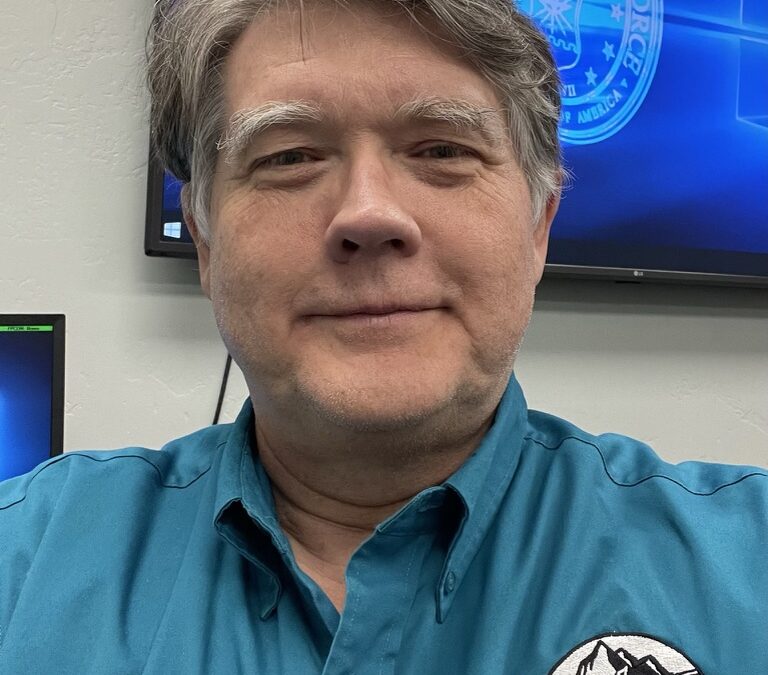
David R Webb is a Process Analyst at NetCentric, LLC, an ASRC Federal company. He is currently working as an Agile coach to improve the engineering processes of the A-10 Operational Flight Program team in the 309th Software Engineering Squadron at Hill Air Force Base, Utah. Prior to this assignment, Dave worked as a government project management and process improvement specialist with 309 SWEG. He has nearly four decades of technical, program management, and process improvement experience on Air Force software. Dave has served as a certified Scaled Agile Framework (SAFe) Product Owner, Scrum Master, and Agilist. He has also been authorized by the Software Engineering Institute as an instructor for the Personal Software Process, as well as a Team Software Process coach. He has worked as an Air Force manager, SEPG member, systems software engineer, and test engineer. He is a frequent contributor to technical journals and symposiums, and he holds a bachelor’s degree in Electrical and Computer Engineering from Brigham Young University.